


|
LSFG-NAVI Flicker System |
Flicker stimulates photoreceptor cells
Photoreceptor cells require additional oxygen
Decreased vascular resistance and increased blood flow |
This system can be used to measure elevated blood flow before, during, and after stimulation. |
|
|
|
|


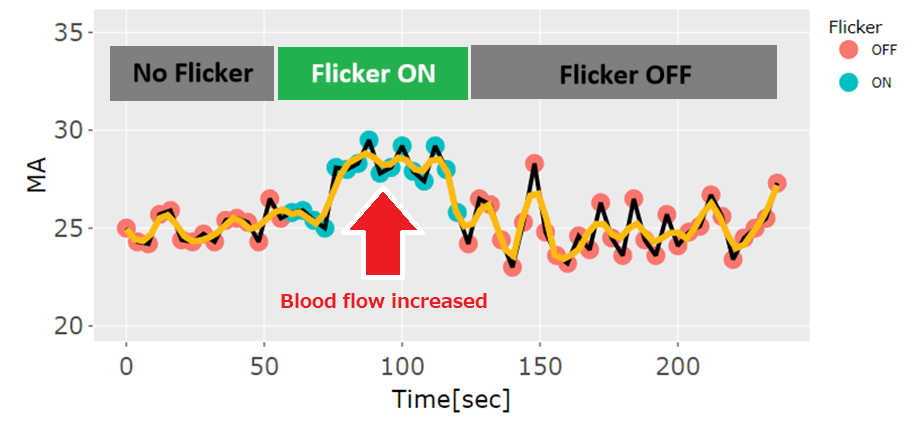
The response exhibits several differences depending on the condition of the subject. |
|
|
Good response
|
Morning
Good condition |
|
Weak response
|
Afternoon
Relaxing after exercise |
|
No response
|
Evening
Exhausted |
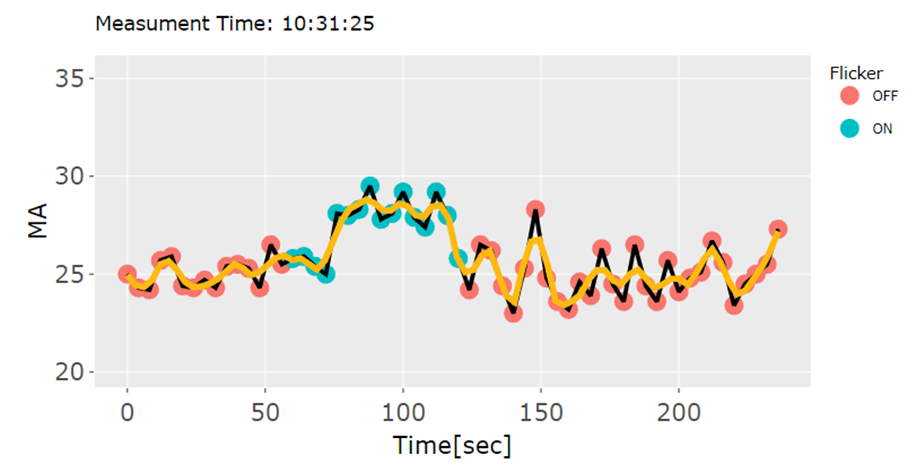

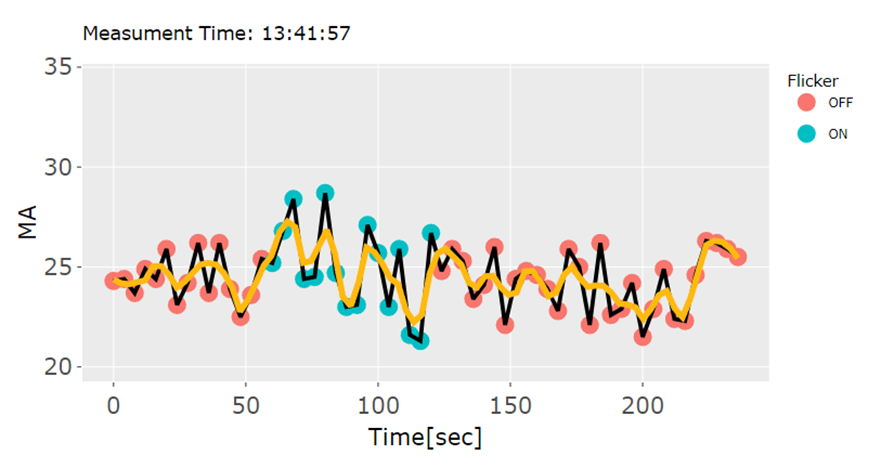

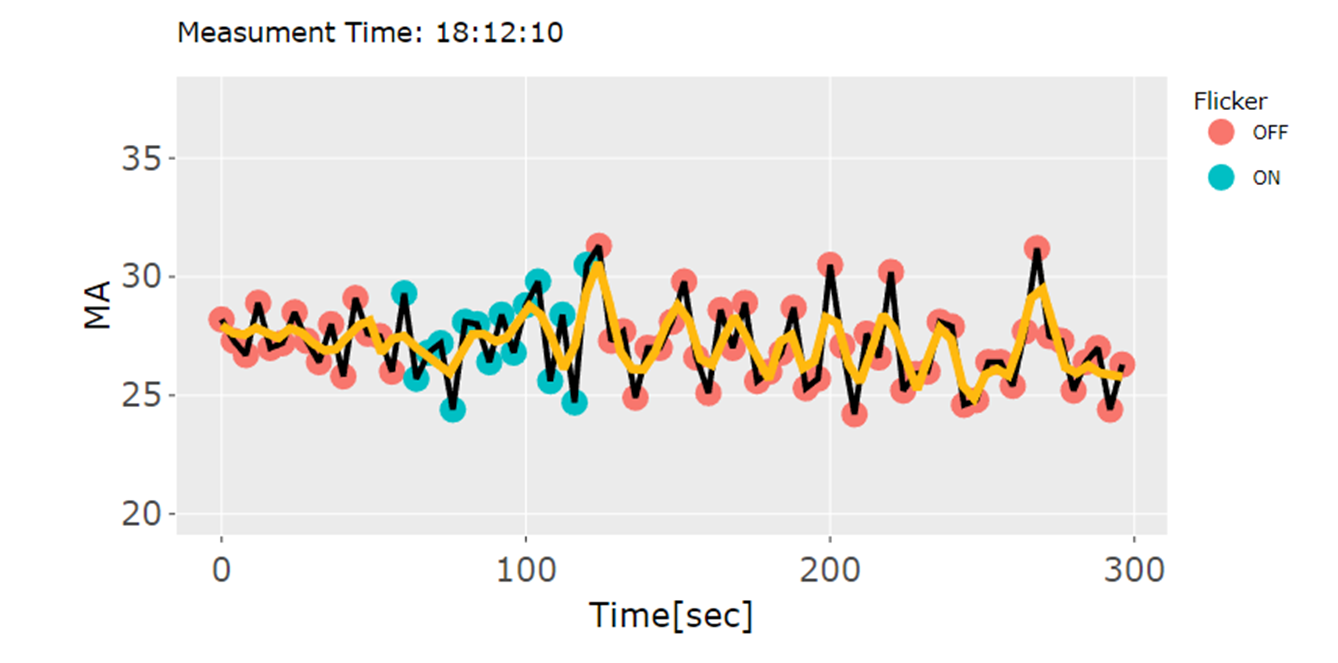

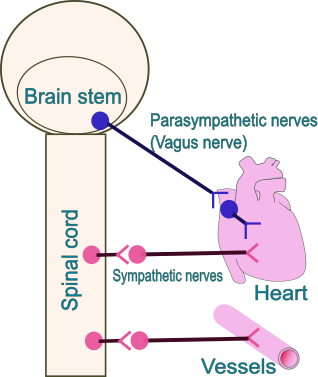
Why does the response vary?Response to stress (response to flicker stimuli) depends on the autonomic nervous system condition. |
|
|
What to expect. |
|
The neurovascular coupling system holds promise for various clinical applications beyond preventative screening, including: |
| Early detection of neurological disorders: By monitoring changes in neurovascular responses, the system could aid in the early detection of conditions like Alzheimer’s disease, Parkinson’s disease, and multiple sclerosis, potentially enabling timely intervention and improved patient outcomes. |
| Assessing cardiovascular health: Understanding neurovascular coupling dynamics can provide insights into cardiovascular health. The system’s ability to measure blood flow responses could assist in assessing the risk of cardiovascular diseases such as hypertension, stroke, and coronary artery disease, with implications for personalized DM strategies. |
| Evaluating cognitive function: Neurovascular coupling plays a crucial role in cognitive function. Utilizing this system, researchers and clinicians can explore the relationship between cerebral blood flow regulation and cognitive processes, offering valuable insights into conditions like dementia and cognitive decline. |
| Monitoring stroke recovery: Following a stroke, neurovascular coupling may be impaired. This system could help monitor neurovascular recovery post-stroke, guiding rehabilitation strategies and assessing treatment efficacy. |
| Pharmacological research and development: The system’s capability to assess neurovascular responses can be leveraged in pharmacological research to evaluate the efficacy of drugs targeting neurovascular regulation. This can accelerate the development of novel treatments for various neurological and cardiovascular conditions, potentially reshaping DM strategies through innovative therapeutic interventions. |
| Overall, the neurovascular coupling system presents a multifaceted approach to understanding and addressing diverse clinical challenges, offering potential applications across neurology, cardiology, cognitive science, rehabilitation, and pharmaceutical development, with transformative implications for DM practices. |